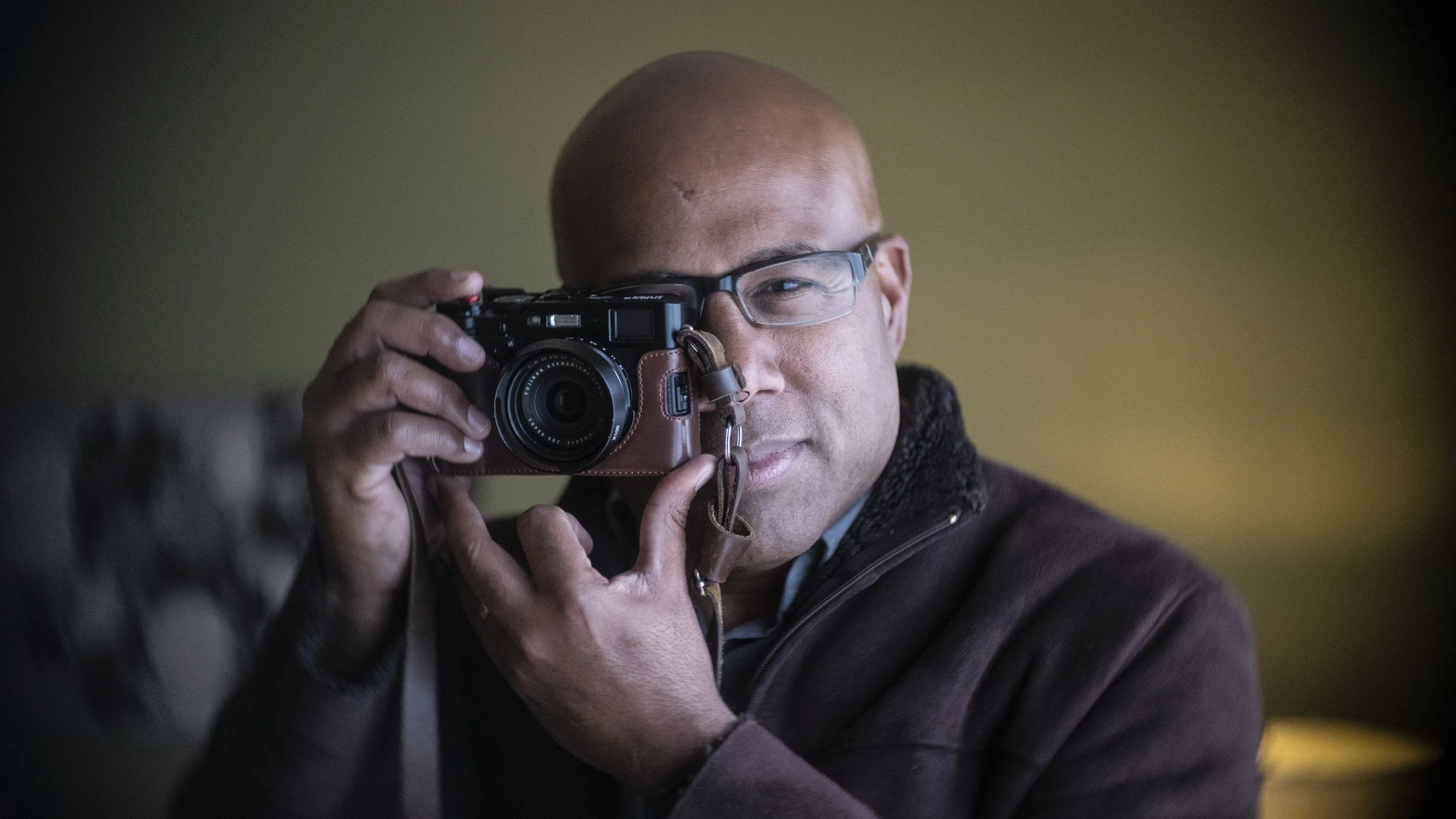
Ibarionex Perello
Photographer. Educator. Host of The Candid Frame. Workshop Leader, X-Pedition Hanoi, October 24–November 1, 2026.
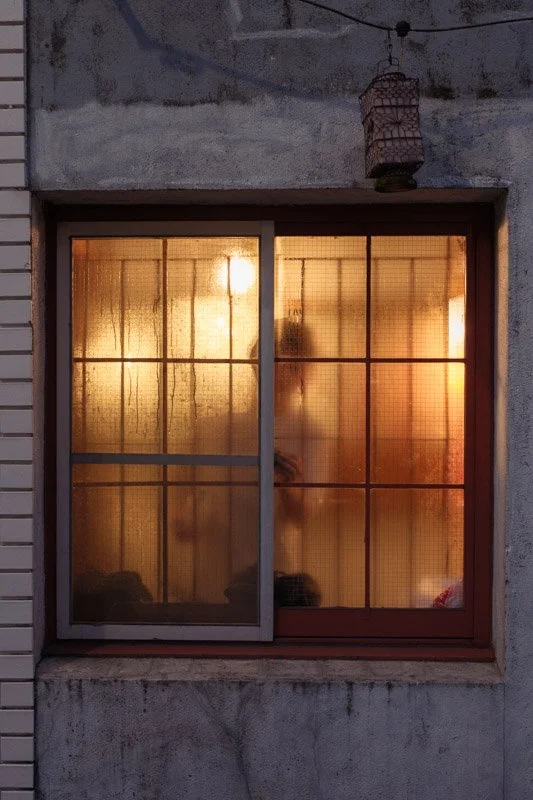
There is a moment, early in one of Ibarionex Perello’s workshops, when students are sent into the street with a specific instruction: Don’t approach your subject first. Find the light. Find the background. Find the frame that already exists in the world — and then wait for the right person to walk into it.
It’s a small instruction with a large idea inside it. And it says everything about why he's leading X-Pedition Hanoi this fall.
Most people pick up a camera and aim it at things that interest them. Perello is asking his students to do something harder — to see the world before they start reacting to it. To slow down enough to notice what’s already there.

© Ibarionex Perello
He’s been teaching some version of that lesson for a long time. He has taught workshops across the U.S., Europe, Africa, Japan. He has written six photography books. Worked as an editor at photo magazines and served as an adjunct professor at Art Center College of Design in Pasadena.
And since 2006, he has produced more than 650 episodes of The Candid Frame — one of the most respected photography podcasts in the world, built on the idea that photographers wanted to talk about something other than gear.
The guests on his show — Joel Meyerowitz, Jay Maisel, Mary Ellen Mark, Elliott Erwitt and hundreds of others — are the people Perello has spent two decades in conversation with.
What he’s taken away from all of it is the same thing he tries to pass on in his workshops: The strongest photographs come from observation, connection, and intention — not from gear, not from location. They are made from the quality of attention you bring to whatever’s in front of you.
He came to photography at 10-years old, in a renovated darkroom at the Boys and Girls Club of Hollywood. He’s never really left. Everything he has done since — all the achievements listed on his impressive biography — is just the long way of saying he kept looking for ways to stay close to the thing he found in that darkroom.
The Candid Frame
In 2005, Perello was commuting two-and-a-half hours each way between Pasadena and Brentwood and needed podcasts to help pass the time. He went looking for one about photography and found that what existed was mostly people talking about lenses. He thought he could do something different. So, he borrowed a friend’s recorder, sat down with a UN photographer named John Isaac, and started a show.
That was episode one. There are now more than 650.
What makes The Candid Frame worth listening to isn’t the guest list, though it’s a remarkable one. It’s that Perello actually listens. He comes prepared and follows the conversation where it goes. People have written to him about single episodes that changed how they thought about their own work — gave them permission to do something they’d been circling for years. That’s not a small thing to pull off, 650 times.
How He Teaches
The question Perello keeps returning to — in workshops, in the podcast, in his books — is not how to make a better picture. It’s what you’re actually trying to say. Those sound like the same question. They’re not.
The first question has technical answers. The second one requires you to figure out what you notice about the world, what draws you to certain moments and not others, what your particular way of seeing actually is. Most photography education skips that part.

© Ibarionex Perello
The exercise at the beginning of this article is a good example of how he works. The light-first, frame-first approach isn’t just a technique for making better portraits. It’s a way of training yourself to think about the whole picture rather than just the face in the middle of it. The lesson is practical and philosophical at the same time, which is a hard combination to pull off.
One student who came to him as a landscape photographer — someone who had spent years pointing a camera at things that couldn’t move — landed her first paid portrait work within weeks of finishing his course. She attributed it directly to him.
Why He’s Right for Hanoi
X-Peditions has always been built around a specific idea — that travel photography, done right, is a form of reporting. You’re not collecting images of a place. You’re trying to understand it well enough to show someone what it actually felt like to be there. That’s a harder assignment than it sounds, and it’s exactly what Perello teaches.
Hanoi rewards that kind of attention. The Long Biên market at three in the morniThe Long Biên marketng doesn’t give up its best pictures to someone who shows up, fires off 50 frames in 20 minutes, and moves on. The craft villages outside the city, the waterways at Tam Cốc — these are places where the impulse to shoot fast produces forgettable work. What Vietnam responds to is presence and patience.
© Ibarionex Perello
Perello once said that what’s driven him throughout his career is the belief that the way he sees the world is valuable — that it can have an impact on someone else. That’s the same thing he’s trying to give his students. It’s not about a shot list or following a set of technical rules. It’s about having confidence in their own perspective.
That’s what X-Pedition Hanoi has always been about. We’re glad to have someone leading it who has spent his career trying to teach exactly that.