
Frequently Asked Questions
Is airfare covered?
Airfare is not included in our workshop package. If you are new to international travel, we can help you choose a flight.
What about getting to the hotel?
We will pre-arrange your transportation from the airport to the hotel. A driver will meet you right outside the entrance and will be holding a sign that says “Roaming Camels.” Your driver will also have your WhatsApp information to coordinate pick-up if needed.
What about our lodgings?
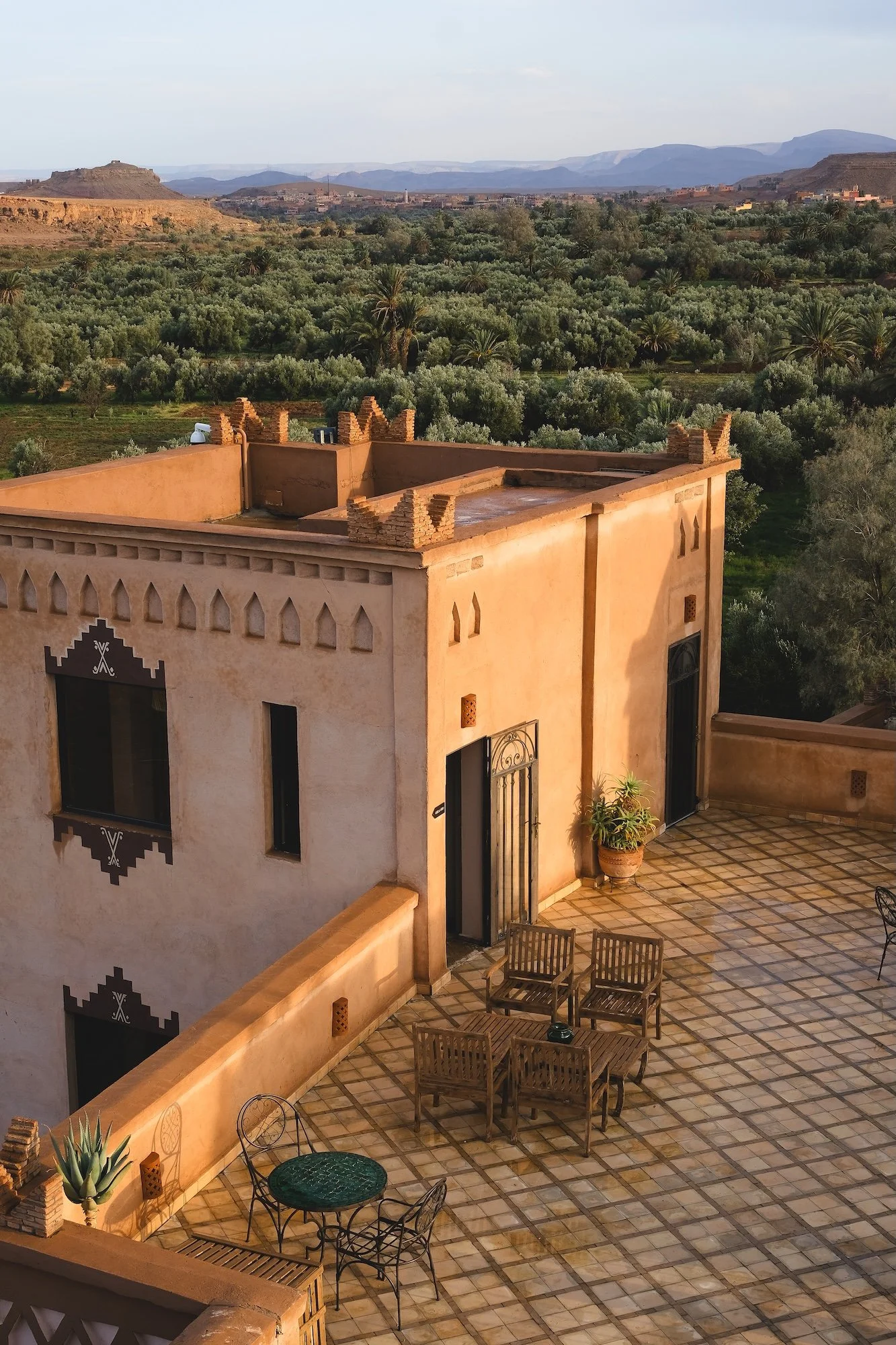
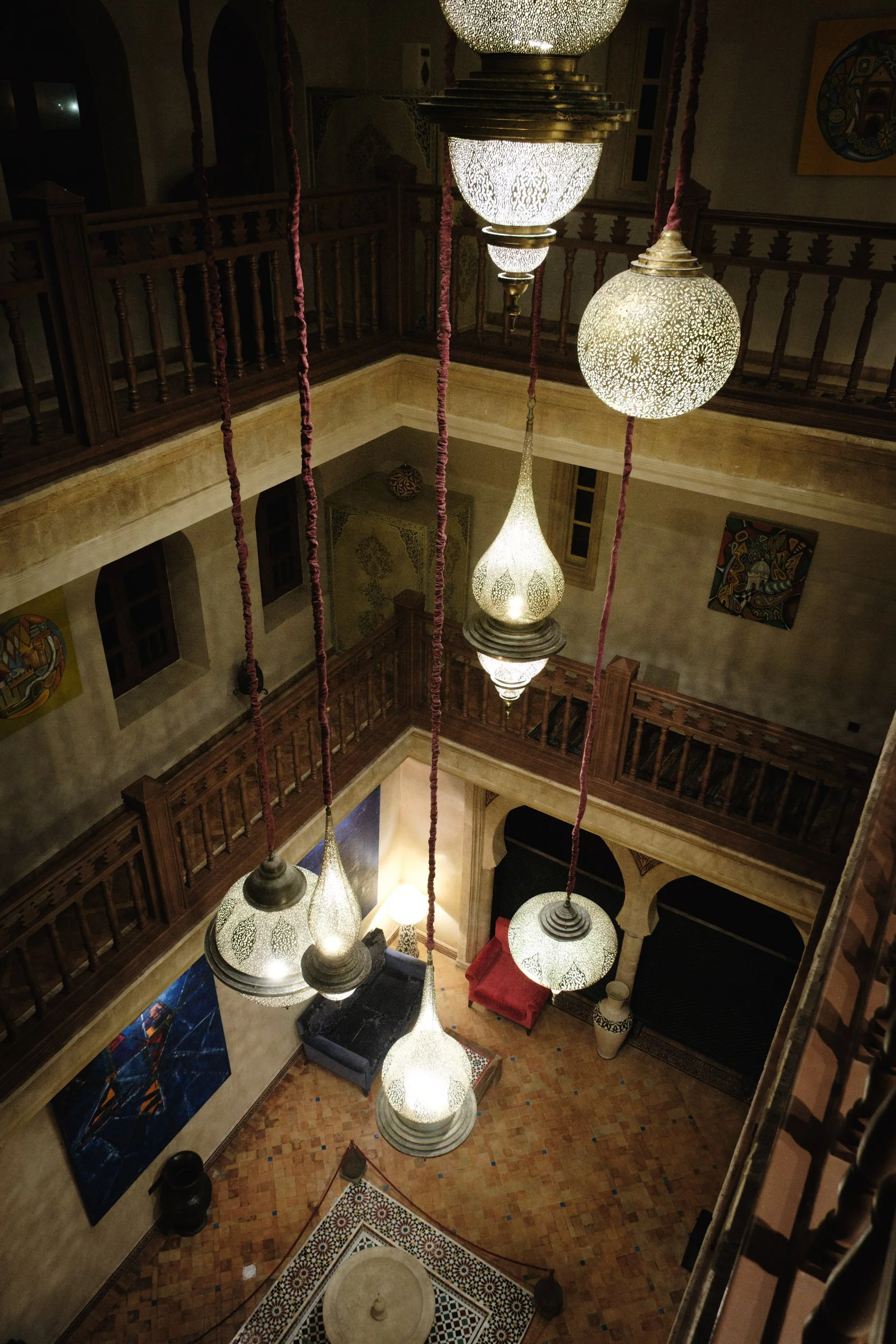
We will stay in a variety of Riads and hotels during our workshop, as well as a desert camp in the Sahara. You will be paired with a workshop participant of the same sex with the option of upgrading to a single-occupancy room. All of our lodging locations are clean, comfortable and some have pools. The desert camp has air-conditioning, warm showers and a private toilet.
How much time will we be on the road?
We’ll have a couple long days in the vehicle going to and from the desert, mostly this is due to being on winding mountain roads and having to go through villages along the way. It will take us two days to travel from Marrakech to the desert and two days from the desert to Essaouira. Each day, we’ll spend five to seven hours on the road. We’ll be in a sprinter van that seats 17, which is much more room than we need for our group. It sounds like a lot of time in the van, and it is, but we’ll be breaking up the drive with stops along the way to take photos, eat lunch and for restroom breaks. The stops along the way and our desert destination is worth the ride.
What about cell/data?
Having full-time internet connectivity is extremely useful when traveling off the beaten path. It also affords more safety. Fortunately, cell coverage is pretty good throughout our workshop, even in the desert.
While in Morocco, we’ll communicate via WhatsApp, which gives us an easy way to stay in touch with each other, share photos, or talk. WhatsApp is compatible with both iOS and Android, and we’ll have our group chat set up and running before we leave for Morocco.
Just be sure to set up an international data plan with your mobile carrier before the trip.
What’s the food like?
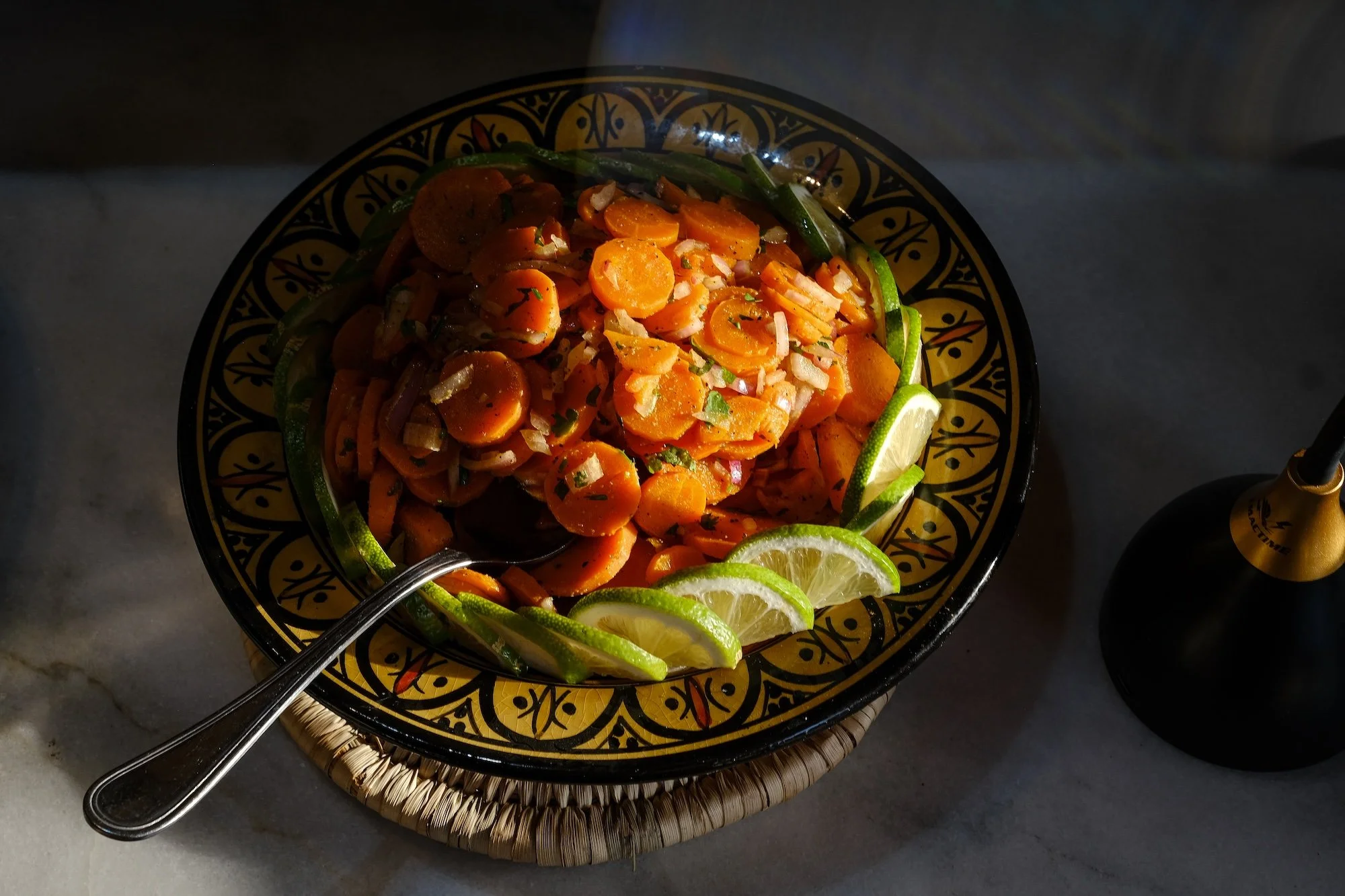
In Morocco, you’ll become very familiar with the national specialty, a slow-cooked stew called a tagine. Tagine refers to the style of cooking not the specific dishes served in the traditional clay pots. The tagines, themselves, can range from stewed meats, to vegetables or seafood.
Couscous dishes are also popular as are a variety of skewered meats.
Vegetarians can certainly manage during the workshop. However, the workshop is not idea for those who maintain strict vegan diets. Vegan meals just aren’t an option in some of the places we’ll be stopping on the road or at the desert camp.
Traveling in developing countries in an exercise in learning to manage the risks in order to get the most out of your experience. This approach is especially relevant for food. You’ll learn several strategies to help to minimize any associated risks, both on this trip and on your future travels.
Please feel free to reach out to us with any specific dietary questions.
What photography skill level is required?
This is an appropriate workshop for beginner, intermediate and advanced photo enthusiasts. We will show you different ways to think about your role as a photographer. We’ll also help you to improve both your hard and soft photo skills to open new, unexplored possibilities for your photography.
What kind of gear should I bring?
Gear selection is a personal decision and really depends on your personal style and what you hope to get out of the trip. The most important thing is to learn to travel light and shoot unencumbered by excess gear no matter what your chosen brand.
Is it safe?
The two places where you’ll have more unstructured time to wander around are in Marrakech and Essaouira. Both cities are considered very safe to travelers.
To that we would add that situational awareness, and how you act, goes a long way toward reducing the risks of walking around any city with a camera. Being aware of pickpockets in any crowded, urban environment is always a good idea.
Much as with food, we also acknowledge the counterargument. You will incur risk from the moment you get into your car to drive to the airport to fly to Marrakech. Learning to intelligently balance and manage the risks and rewards of an experience is a core skill for any traveler.
How much physical activity does the trip involve? Is it strenuous?
Our trips are suitable for adults in good health.
Many places in Morocco are not physically accessible to western standards. Sidewalks, when present, are often uneven and frequently unlit at night. Stairs are sometimes uneven.
There are English-speaking medical facilities in Marrakech and Essaouira. But on our trip to and from the desert, we’ll be several hours away from any meaningful medical aid.
If you have any questions as to whether this trip is appropriate for you, please contact us before registering. We’ll be happy to help.
What will the weather be like?
Early May is one of the best times to photograph Morocco. The days are warm and dry, the light is clear, and summer's worst heat hasn't arrived yet. In Marrakech, expect highs around the low 80s°F and cool evenings in the upper 50s. Merzouga and the desert are the hottest stop, with afternoon highs near 90°F. After sunset the dunes cool off quickly, down to the low-to-mid 60s. That's comfortable for a night shoot, but you'll want a light layer. Spring winds can also kick up dust, so bring a way to protect your gear. Essaouira is cooler and breezier, with highs around 70°F and lows near 60. Its steady Atlantic wind is famous, and morning fog is common. Rain is unlikely anywhere on the route. Pack for all three: sun protection and breathable clothing for the days, plus a warm layer and a windbreaker for desert nights and the coast.