Q&A: Tom Petzwinkler on light, landscape, and teaching in the field
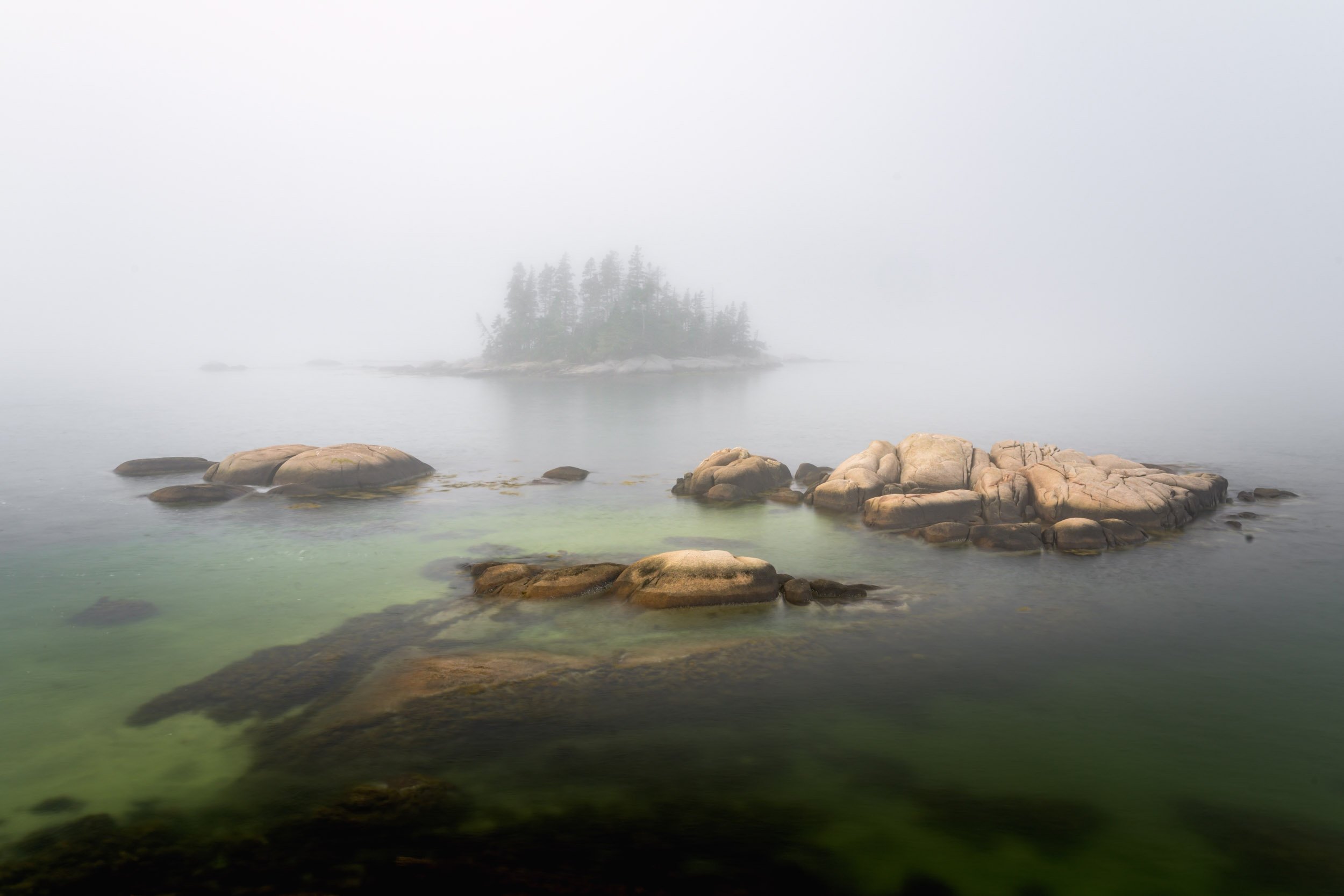
Morning mist on Sand Beach, Stonington, Maine © Tom Petzwinkler
In the spring, we're taking a group of photographers into Morocco — Marrakech, the Sahara, out to the Atlantic coast — and unlike most of our trips, this one leans hard into landscape, architecture and astrophotography, instead of street and documentary work.
That's a different set of muscles: no people in the frame to lean on, no decisive-moment instinct to fall back on. It's more about light, form and patience — reading how the sun moves across a kasbah wall or knowing the specific technical requirements to pull off flawless astrophotography.
That shift is exactly why I asked Tom Petzwinkler to lead next May’s workshop. Tom is a fine art photographer, filmmaker and sculptor based in Cushing, Maine. He’s a former Professor of Art in Sculpture and Photography at Virginia Commonwealth University and George Mason University. He has exhibited across the U.S. and his current show — an exploration of Maine’s quarries — is opening this month at the Midcoast Maine Art Gallery.
From Maine to the Sahara
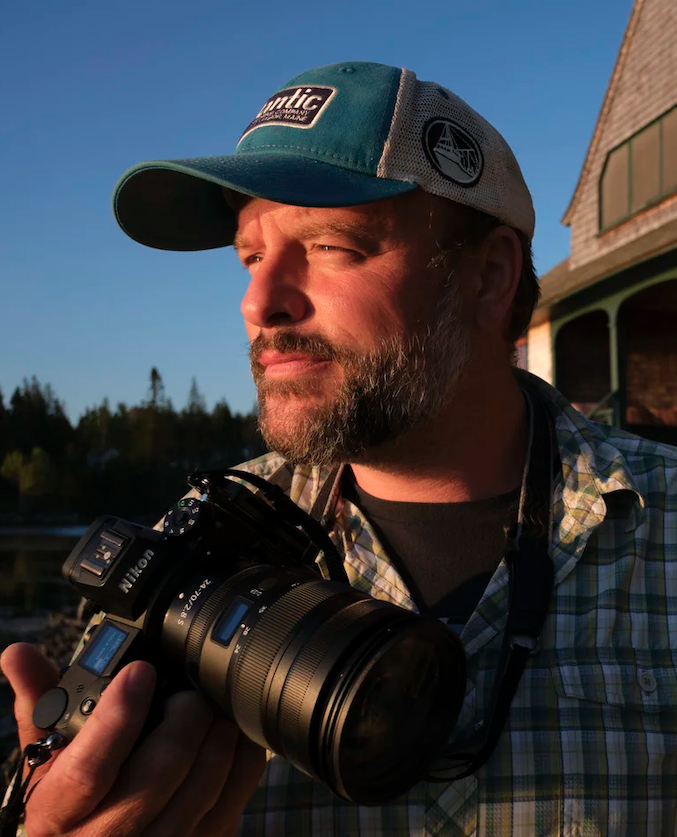
Thomas Petzwinkler, an accomplished fine art and landscape photographer, is leading our X-Pedition Morocco workshop in May.
Landscape and architecture aren't a side interest for him — they're the backbone of his portfolio and often the subject of his YouTube channel — and it shows in how specifically he can talk about a frame with nothing but rock, light and sky in it.
He's also an experienced photography educator. His approach pairs technical mastery with real artistic intention — he wants people to know their gear cold, not to show off, but so it disappears and they can actually see what's in front of them. That's the balance this trip needed: astrophotography and long-exposure landscape work punish sloppy technique, and you need someone who can teach the settings and the seeing at the same time, in the field.
Tom and I are headed to Morocco next week for our final scouting trip before opening up registration for this workshop. I asked Tom to tell us about his background in sculpture and film, and what he tells first-time astrophotographers before pointing a camera at a moonless desert sky. His answers, unedited, below.
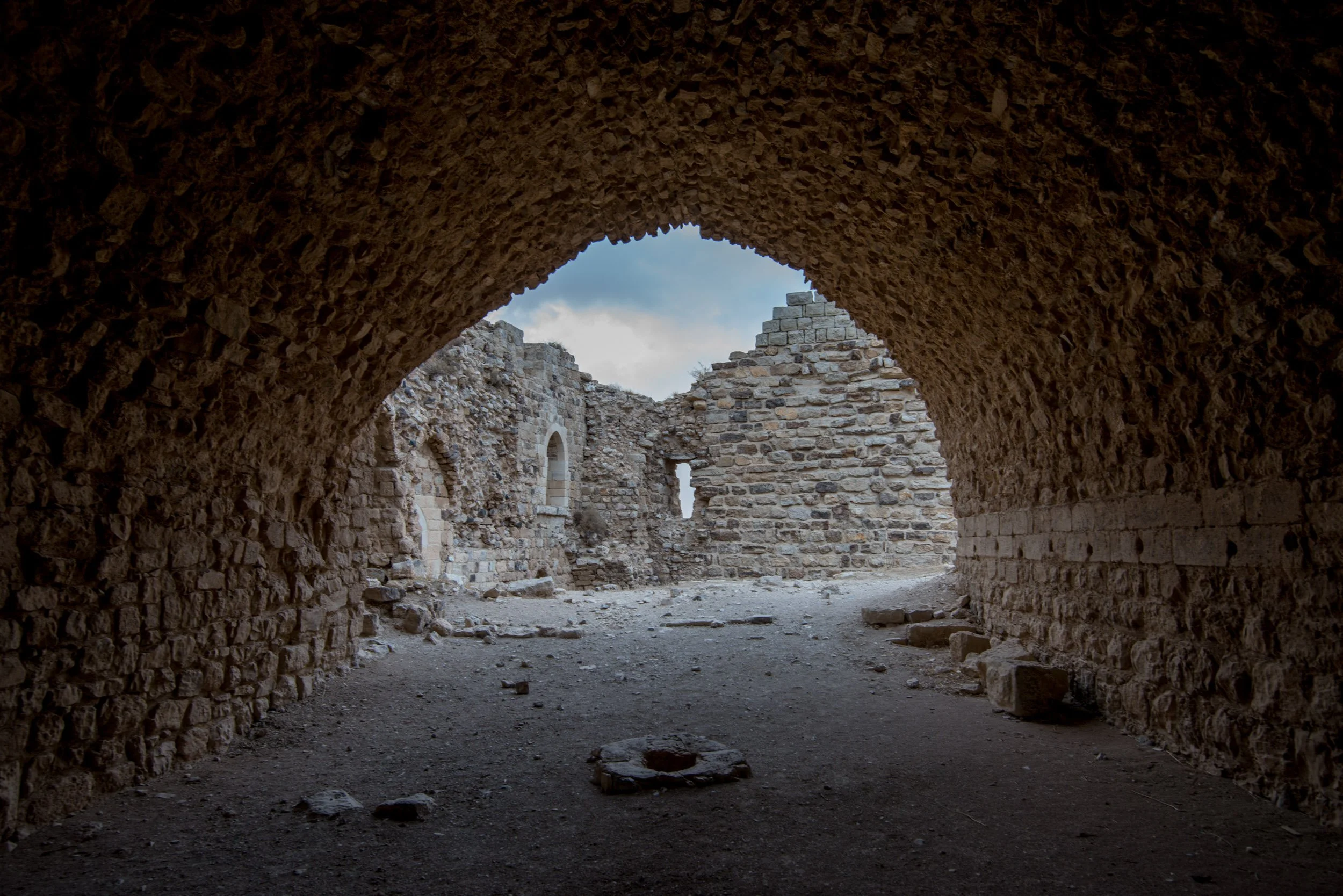
Ancient Moabite tunnel beneath the Crusader Citadel at Al-Karak (Kir-Hareseth), Jordan © Tom Petzwinkler
You've photographed extensively in the Middle East — Jordan, specifically — how does that experience shape the way you're approaching Morocco's light and landscape?
In my experience, the Middle East has a unique light and it’s people posses a warmth of spirit that is unmatched anywhere I’ve visited in the western world. Though Morocco isn’t directly in the Middle East, it’s proximity to the Middle East means it shares many of the same traits, customs and architecture. From vast deserts and striking light, to a shared language and cultural similarities. These points allow me to approach photography in Morocco with an intuition that comes from having spent time in that part of the world.
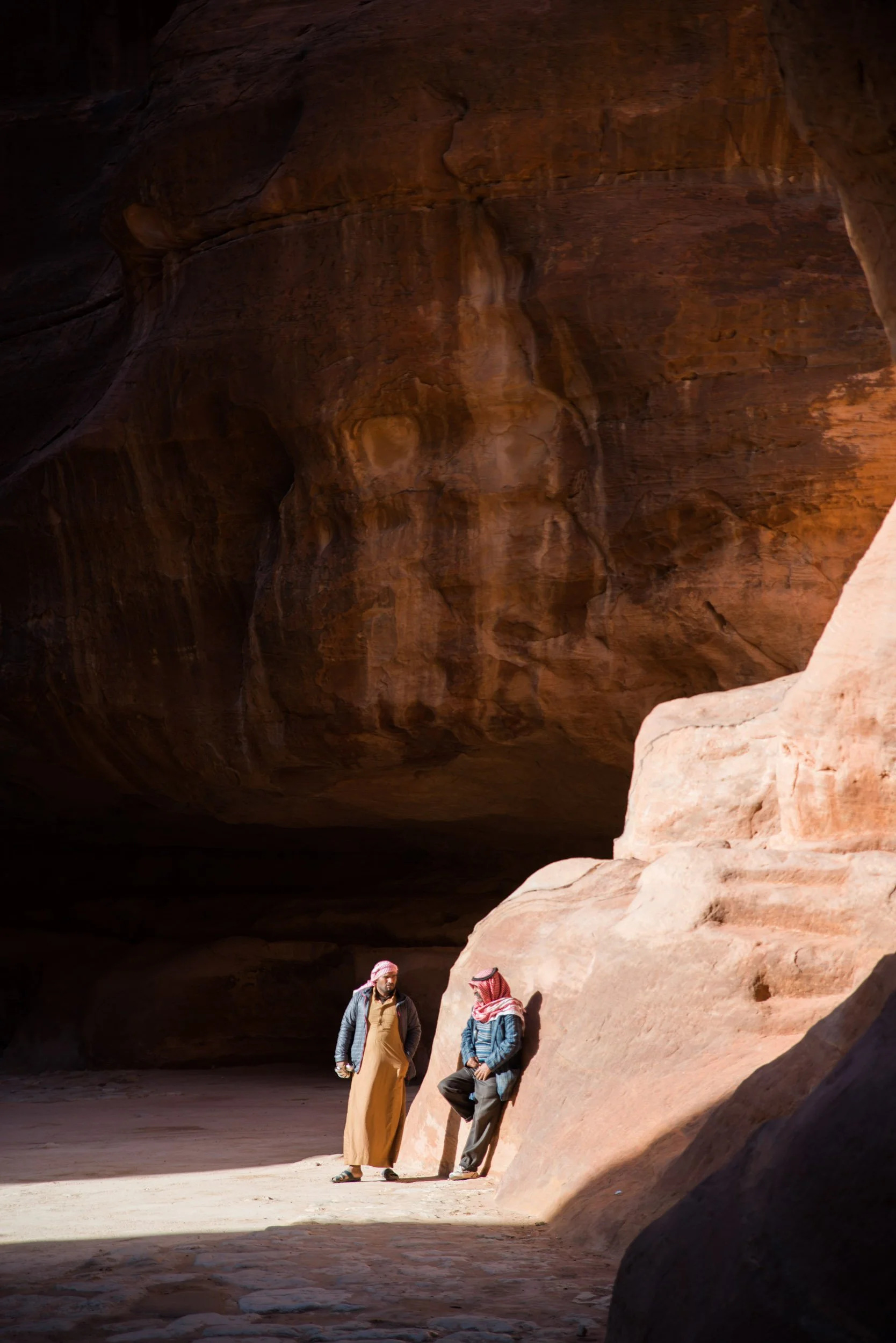
Bedouin merchants greet one another at the start of the day in the Siq. Petra, Jordan © Tom Petzwinkler
Your background spans sculpture, filmmaking and documentary photography, not just stills — how does that cross-disciplinary eye change the way you compose a shot in a place like the Sahara?
Having come from a background that spans the arts, I tend not to view a scene as more than a static composition. Of course I look to form, depth, pattern, and light; but I also work to see a scene in terms that break the third wall and move in to a more dynamic method of observation. That includes time, as in filmmaking; physical depth and volume, as with sculpture; and the storytelling aspects and interconnected relationships between elements, as with documentary filmmaking.
When photographing in the Sahara, this means looking past the simple, pretty arrangements and searching for relationships between elements and forms that can serve to tell more dynamic story of place, time and space. I believe this approach leads to an effective photograph that draws the viewer more fully in to the resulting image.
You've described your teaching as balancing technical perfection with artistic intention — what does that look like in the field, versus a classroom?
As a teacher, I always encourage my students to endeavor to learn every detail and nuance of the technical aspects of any form of artwork they approach, from the camera in photography to the chisel, hammer, or saw in sculpture. Once in the field, though things will inevitably go a little sideways, a solid grounding in the technical translates to a more effective way of seeing for the creator, and allows them to realign if things start to go a little off track. If you are not comfortable with your tools, making work with them tends to be a real chore. Now, that’s not to say that we don’t make mistakes - of course that happens. That’s the entire point of the exercise though: we work hand in hand and we keep practicing until we have it down and it becomes “second nature.”
Marrakech's Medina is dense and chaotic — what's your approach to finding a clean, intentional composition in an environment like that?
I have found that when working in busy chaotic environments the most important thing to do is to stop, take a breath, and start taking in the elements that surround you. Sometimes stopping in a cafe and just relaxing there can be really effective. There is no hurry, no matter how rushed you feel. Count to ten, and just observe. I like to look at the details first: interesting textures, interesting juxtapositions between elements like buildings and landscapes, the flow of people over time. Once I start to understand the patterns, I can begin visualizing how the unchanging elements such as buildings play with the more dynamic elements such as light, people and vehicles in the overall composition. Then I begin thinking about the right timing for making the shot. This technique almost always yields something that ranges from acceptable to sometimes magnificent. It’s all in how well you pull your elements together - and of course that old friend, luck.
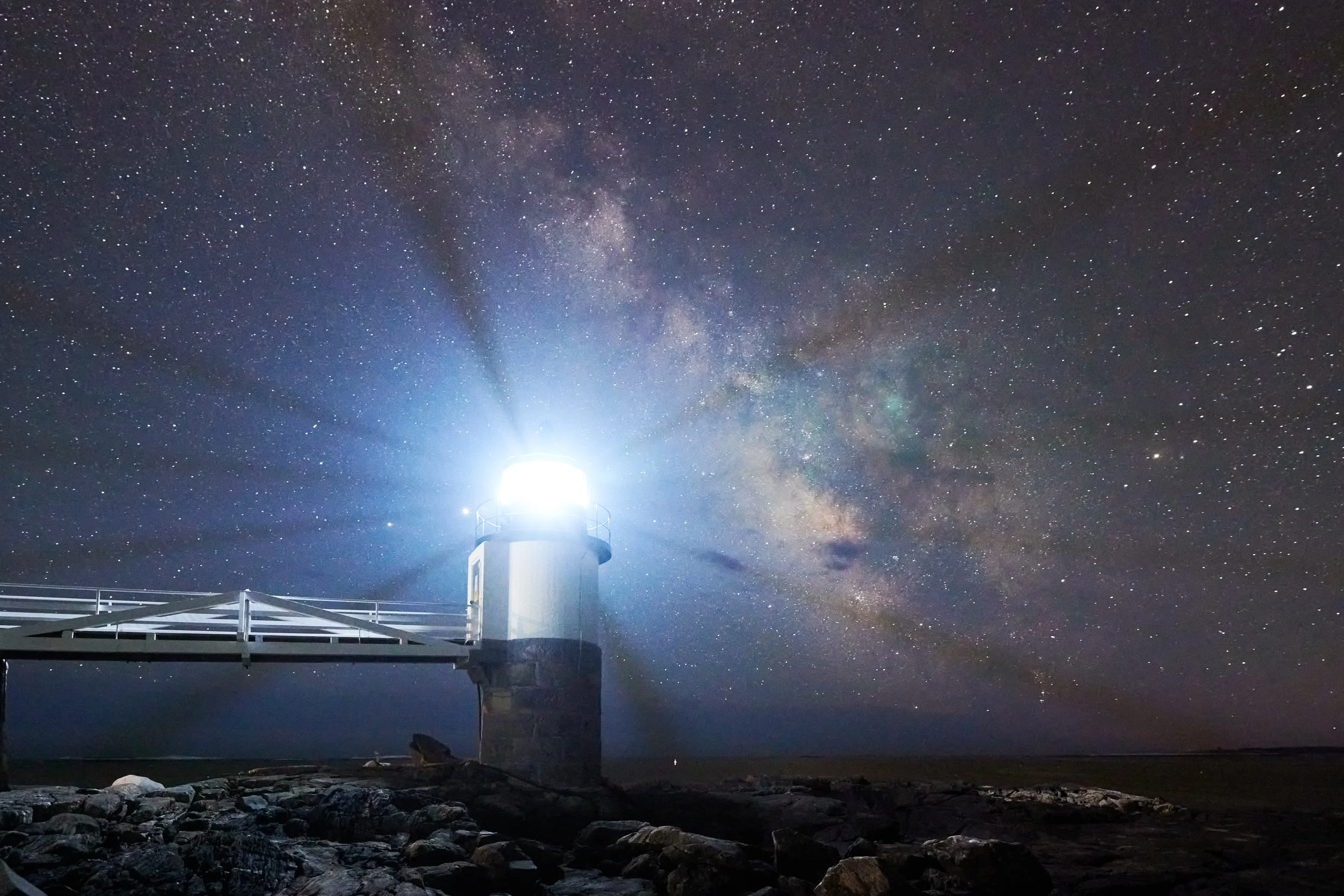
Marshall Point Milky Way, St. George, Maine © Tom Petzwinkler
The desert leg of the workshop includes a night shoot under the Milky Way — what's your advice for photographers who've never tried astrophotography before?
If you have never tried astrophotography before, my biggest piece of advice is not to be intimidated by it. Astrophotography relies on a few straightforward rules; once you master those, your creativity can take over. You'll learn to spot compelling compositions and juxtapositions against the night sky and just go for it. Experimentation is key in the dark, and it is frequently rewarded with breathtaking images.
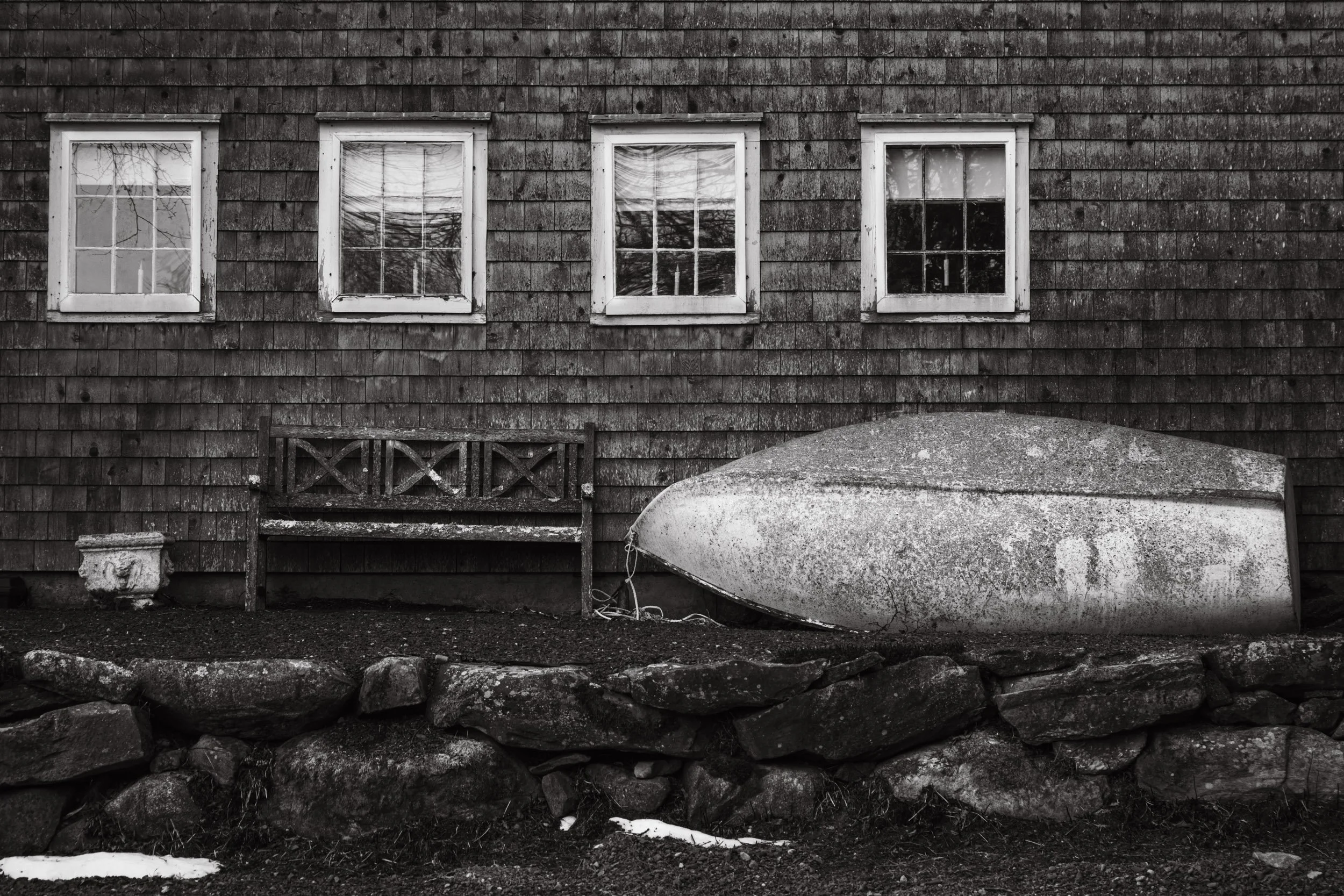
The barn and the boat, Friendship, Maine © Tom Petzwinkler
You're rooted in Maine's quiet, intimate landscapes — what draws you to travel photography in places as different as Jordan and now Morocco?
I love the quiet, breathtaking scenery of Maine. My decision to live here was without a doubt the best move I’ve made. However, I am equally drawn to the dynamism, energy, history, and people of places like Jordan and Morocco. There is something truly special about that part of the world: the architecture, the layers of ancient and modern cultures, the light, and the landscape all touch a part of my being that makes me want to learn more, to be there more, and to create more.