What magazine editors actually look for in a photo Story
When many of us travel with our cameras, we spend the trip chasing the single great frame — the right light, the decisive moment, the image that stops someone from scrolling past.
Molly Roberts, the project editor for our spring 2027 Vietnam workshop, says the excitement of that chase can sometimes keep us from seeing the full story. Coming home with a story instead of just a memory card of nice pictures means you have to remember journalism’s basic five W's, Molly said.
Molly spent three decades as one of the country’s top magazine photo editors — as a Senior Photography Editor at National Geographic Magazine, Chief Photography Editor at Smithsonian Magazine, and a photo editor at The Washington Post Magazine. She's juried Pictures of the Year International, the ASME National Magazine Awards, and LensCulture contests, and reviewed portfolios at Review Santa Fe, PhotoNOLA and the Eddie Adams Workshop.
For this spring's trip — an eight-day documentary assignment tracing the farm-to-table arc of northern Vietnam, from rice paddy to family table in Hanoi — she'll do one-on-one portfolio reviews with participants before they leave, run remote editing sessions during the workshop, and on the final day help the group select and sequence a week's worth of images into a published zine.
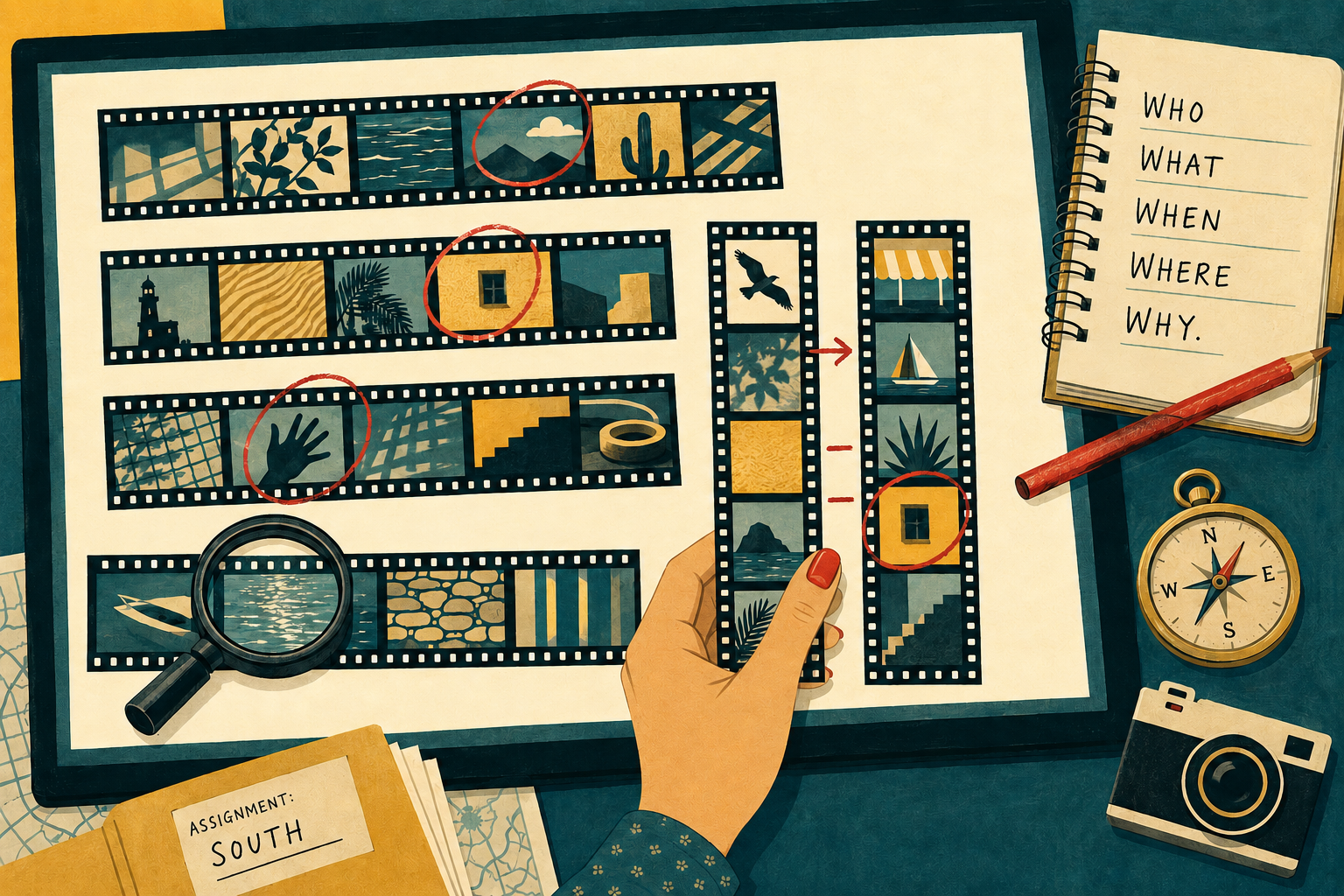
Before photographers ever pack a bag, she wants them to think about the who, what, when, where, and why of the visual story they’re going to tell.
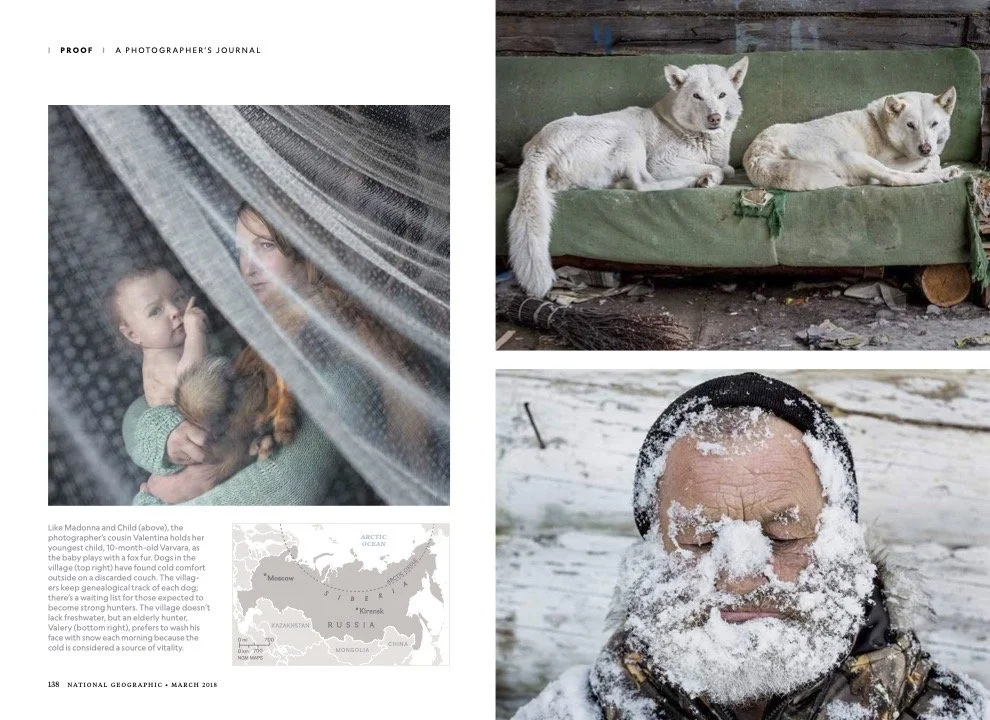
The story, “Siberian Solitude” with images by Elena Anosova, was edited by Molly and appeared in National Geographic Magazine.
Who is driving the action in this story, and who's affected by it? What is the story actually about — what's your thesis? When does it take place and does that come with seasonal or logistical demands? Where does it happen, and what perspectives, transportation, or gear will you need to show it properly? And why does this story matter, and why are you the one to tell it?
Molly isn't arguing for a rigid shot list or against spontaneity — she still wants photographers open to what she calls "splendid serendipity." But without that groundwork, she said, it's easy to get swept up in the moment and miss the shots that hold the narrative together. One of the best reminders she gives: when you're photographing a portrait, always get the details too — the hands, the desk, the wall — because they can reveal more character than the face does.
That same instinct — planning for the whole story, not just the standout frame — shapes how Molly reads a photographer's take once it lands on her desk. The first 30 seconds, she said, aren't about judging whether individual images are "good." She's scanning for a combination of consistency and variety: even color and exposure across the set, which tells her nothing went technically wrong, and then a range of angles and perspectives, evidence the photographer worked the scene rather than shooting it from one spot.
From there, she's mentally sorting a take into the roles a finished story needs: an opener that sets the scene, portraits and active portraits, supporting images, details, occasional non-literal images, and a closer that brings the piece to a visual or emotional landing point. Detail shots in particular get dismissed by some photographers as filler — hands, tools, ingredients, texture. Molly disagrees firmly: in her mind, there's no such thing as a great story without them.
It's the kind of thinking I hope shapes how everyone approaches Vietnam this spring — not just how to make one great photograph, but how to plan for, and come home with, the pieces of a real story.