The editor behind Assignment Vietnam
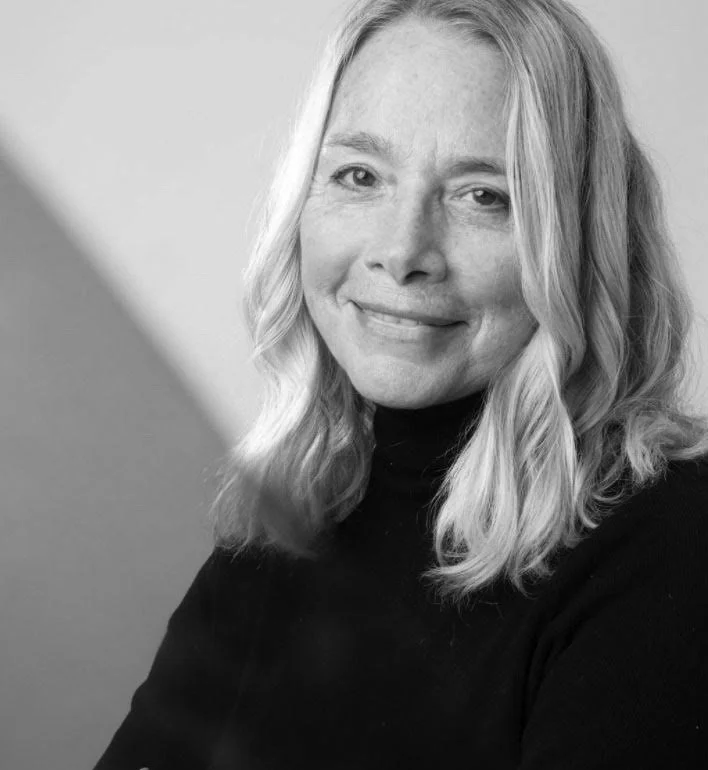
© E. Brady Robinson
There's a version of X-Pedition: Assignment Vietnam that is simply a well-organized trip to Hanoi with a strong documentary theme and a talented local fixer. That version is a good workshop. It is not the workshop we put together.
What makes Assignment Vietnam different — structurally, not just philosophically — is that a magazine editor will work with every participant from before they ever step on the plane for Hanoi. Not an instructor who has edited work but a professional photo editor who spent more than 30 years shaping visual storytelling for National Geographic Magazine, Smithsonian Magazine and The Washington Post Magazine and who will engage with your work the way she engaged with the work of photographers on assignment for those publications: with a clear eye, honest feedback and an unambiguous sense of what the story needs. And in the end, she’ll guide the sequencing of the best images into a published zine.
Molly Roberts is what makes this workshop is different.
Thirty Years at the Top of the Profession
Molly built her career at publications that set the standard for documentary photography. She spent more than 15 years at Smithsonian Magazine, rising to chief photography editor, where she shaped the publication's visual identity and developed a particular talent for identifying photography projects already deep in development.
From there she joined National Geographic Magazine as senior photography editor, focusing on history, archaeology and culture, working within a system she describes as rare in contemporary publishing. One where photographers pitch ideas, editors develop them collaboratively and the budget and time exist to get the visual narrative right.
She has also contributed to The Washington Post Magazine, worked on special projects for National Geographic Books and in 2019 accepted a John S. and James L. Knight Foundation fellowship to study and teach visual communication at Ohio University, where she earned a master's degree.
Beyond the edit desk, she has juried Pictures of the Year International, the ASME National Magazine Awards and competitions for LensCulture and American Photography, and reviewed portfolios at Review Santa Fe, PhotoNOLA, the Eddie Adams Workshop and Women Photojournalists of Washington. She co-created the Lena Grant through WPOW to fund health-related documentary projects in the Americas, founded HumanEyes USA to use documentary photography to illuminate human rights issues, and continues to teach and lead workshops in photo editing and long-term visual projects. She is also the co-host of 10fps, a photojournalism podcast sponsored by Loyola University in Baltimore, Maryland.
That's the biography. Here's what it means to the photographers who join us in March 2027 for Assignment Vietnam.
What She Actually Looks For
Molly has spent three decades on the receiving end of photographers' work, sitting across from images, deciding whether they have what a story requires. We asked her what separates the photographs that stop her from the technically competent ones that don't.
"At National Geographic we were always saying 'show me something new,' " she said. "New could mean from a new perspective, or using a new technique, or literally a story that we just haven't seen any coverage on."
But newness, she adds, isn't a trick or a technique. It comes from genuine connection.
"Finding your own perspective with the person, place or thing you are photographing goes a long way in communicating your interest, connection and passion to the particular story you are trying to tell."
Connection comes up repeatedly when Molly talks about what makes documentary work succeed or fail. She sees it as the practical foundation of access, not just an abstract virtue. Photographers who take the time to genuinely connect with their subjects earn trust. Trust produces access. Access opens the door to authenticity.
"If people trust you they will be open to sharing their network of friends and family,” she said. “They'll be open to showing you authentic moments in their lives. That's where the good photographs start."
The inverse is equally true.
"Being uncomfortable with what people are trying to share with you creates a barrier rather than access to these authentic moments," she said.
It's a distinction that separates photographers who come home with striking individual frames from those who come home with a story.
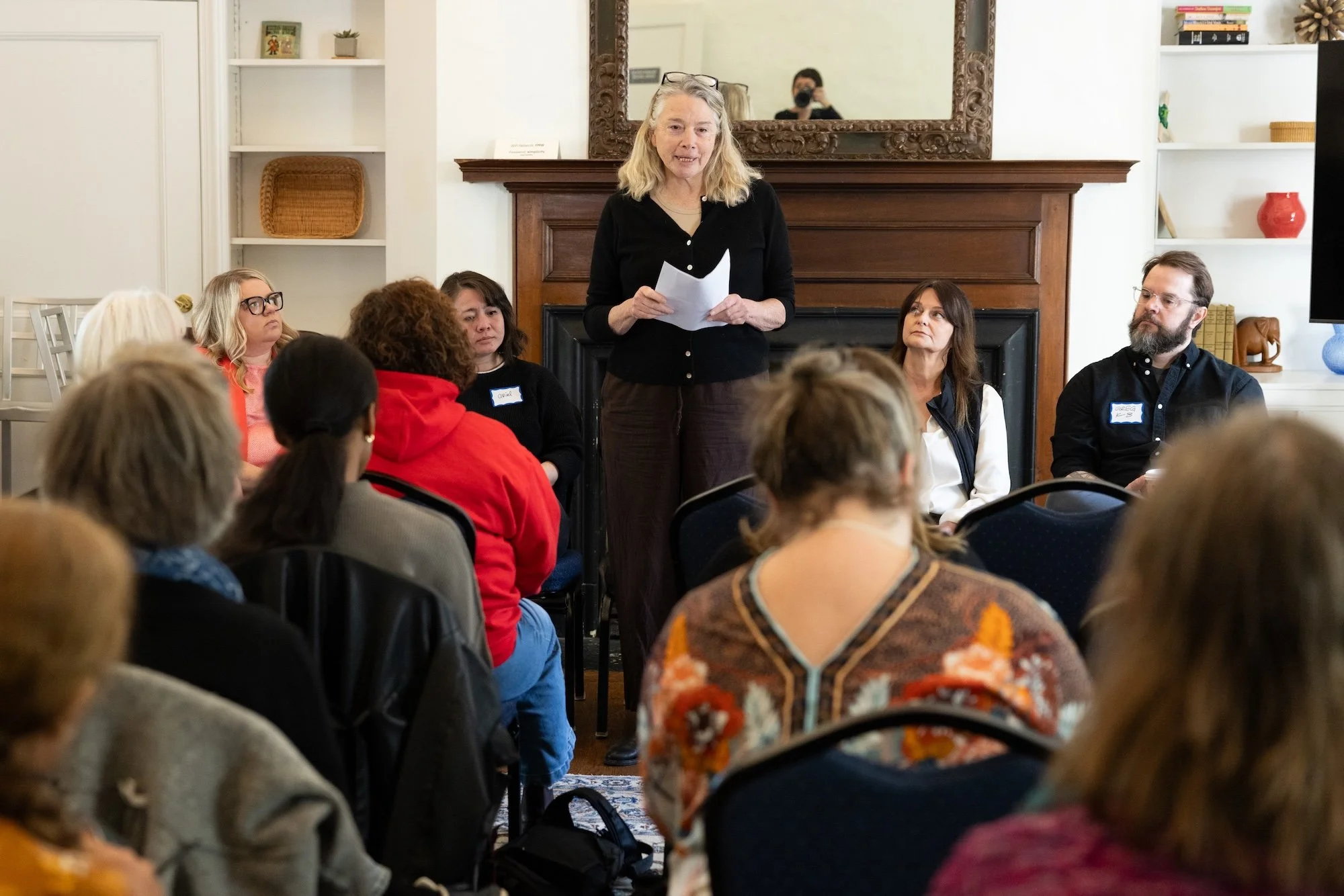
Molly at the “What’s Next?” panel for photo editors hosted by the Women Photojournalists of Washington © Allison Shelley / WPOW
How She Thinks About a Subject Before Anyone Picks Up a Camera
One of the things that sets Molly apart from instructors who teach technical skills is how seriously she takes the period before shooting begins. We asked what she wishes more travel photographers understood about approaching a place, and her answer hit home because it has been one of the pillars of our workshops.
"Research ahead of time is really important," she said. "Think about when the light will be falling interestingly on a particular area of town. Think about the important daily rituals and rhythms of a place and a people. Think about the customs of these people and what activities strike a chord with your own interests. Look for a narrative arc."
That last piece is the one most photographers skip — and it's the one that separates a collection of images from a documentary story. She connects that concept specifically to our Assignment Vietnam workshop, which will tell the story of how Hanoi feeds itself, from the Red River Delta rice paddies to the overnight Long Bien market stalls.
"A meal doesn't actually start in a kitchen. Someone has to dig a well, build a barn, raise a chicken, nurture a vegetable, maintain a space for a meal to happen.,” she said. “These aspects fold in to make your story stronger and more realistic. And open the door to details you never anticipated."
For Assignment Vietnam, where the entire workshop is built around following food from the Red River Delta to the tables of Hanoi's Old Quarter, that thinking isn't background theory. It's the editorial spine of the assignment itself. Every location, every shoot, every morning before dawn at Long Biên market is an expression of the narrative arc Molly is describing. Participants who arrive having internalized that arc will make stronger work from day one.
What the Best Photographers Have in Common
Molly has reviewed portfolios and juried competitions across decades of the profession — Pictures of the Year International, the Eddie Adams Workshop, Review Santa Fe, PhotoNOLA, Women Photojournalists of Washington, and more. We asked what she notices in photographers who consistently grow and what holds others back.
The answer is the willingness to be uncomfortable.
"A willingness to take a little risk — not necessarily in terms of danger, but perhaps emotionally." The photographers who develop most reliably, in her observation, are the ones who lean into the discomfort of genuine connection rather than retreating behind technical polish or the safety of a striking location.
She is also, unambiguously, a believer in mentorship, in the value of putting yourself in front of editors, in studying work that moves you, in asking questions.
"I am a huge proponent of mentorship, taking classes, asking questions and delving into examples of exceptional work that moves you," she said.
Most of the serious photographers she has known over her career had an early role model, a teacher, a book of work, that raised the bar for them. "It's fine to use these bodies of work as a catalyst to making your own work better."
And underneath all of it, she comes back to a single quality that she identifies in virtually every photographer whose work has genuinely lasted: "The most important quality that I have noticed in great artists' and photographers' work is a large measure of endless curiosity. That's the cherry on top of all the hard work."
What Her Involvement in Assignment Vietnam Actually Means
Molly's role in X-Pedition: Assignment Vietnam is not ceremonial. It is structural.
Before participants land in Hanoi, she reviews every portfolio individually, understanding each photographer's eye, establishing a creative direction, identifying what each person needs to push toward during the assignment. That conversation shapes how participants approach the work from day one.
While photographers are in the field, she runs remote editing sessions. Not debriefs but working edits. You share what you've made. She tells you what you have and what you still need. You go back out with a clearer brief.
That kind of real-time editorial feedback from someone who has directed photography for National Geographic is not typical in the photography workshop market. It is, in the most literal sense, what it would feel like to be a photographer on assignment with a great editor behind you.
On the final day, the group edits together. Molly guides the selection and sequencing of each photographer's contribution to the zine — helping turn a week of shooting into a published document with real editorial backbone.
That's the workshop. An assignment, an editor, a field producer, a fixer with deep community access in Hanoi and a publication waiting at the end. For photographers ready to work at that level, there are eight spots.